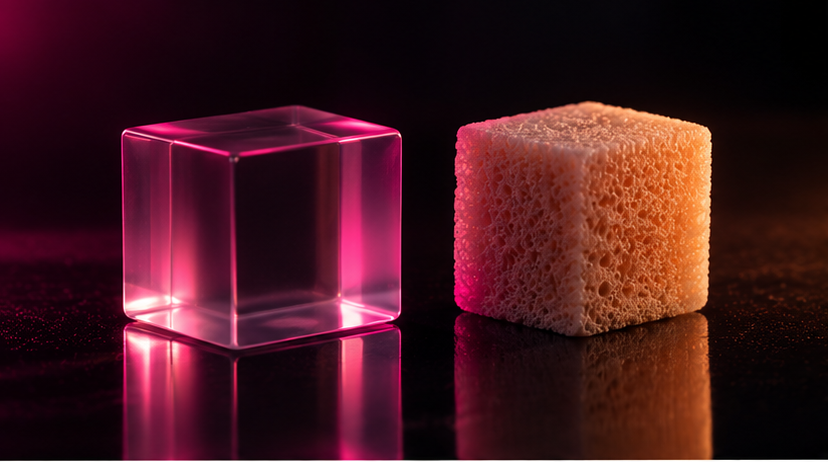
Silicone or TPE? The direct answer: platinum-cured silicone is the safer, longer-lasting material — it is non-porous, hypoallergenic, and can be fully sterilized — while TPE is softer and cheaper but porous, which means it can never be completely sanitized and wears out faster. For anything that goes inside the body or gets shared, choose silicone; TPE is a reasonable budget choice for external or solo sleeves you clean diligently and replace regularly. This 2026 UAE buyer's guide explains why those two sentences are true, how to tell genuine body-safe silicone from convincing lookalikes, and how to care for each material so it stays safe for as long as you own it.
What "Body-Safe" Actually Means
A body-safe sex toy material is one that is non-porous, chemically stable, and free of additives that can migrate out of the material and into the body. Each of those three properties does real work. Non-porous means the surface has no microscopic holes where fluids and bacteria can hide, so washing actually removes everything rather than just the visible layer. Chemically stable means the material does not react with skin, lubricant, or cleaning agents and does not slowly break down into something else. Free of migrating additives means nothing — plasticizers, softeners, dyes, fragrances — leaches out during use or storage.
Two things make this definition necessary rather than pedantic. First, "body-safe" is a marketing phrase, not a regulated standard: any seller can print it on any box, and in an industry with almost no material disclosure requirements, the phrase alone proves nothing. Second, the adult product category is largely unregulated for materials in most markets, including the UAE. The material name on the packaging — platinum silicone, TPE, ABS, borosilicate glass — is a far more reliable signal than any reassuring adjective. This is also why Planned Parenthood's sex toy safety guidance draws its line exactly where this guide does: non-porous materials like 100% silicone, hard plastic, steel and glass are the recommended choices for anything used internally, while porous materials — it names TPE and TPR explicitly — can hold onto germs even when washed faithfully after every use.
So when this article says one material is "safer" than another, it means something specific and modest: it reduces avoidable exposure and is easier to keep hygienically clean. No material is a health treatment, and no purchase is a substitute for basic care habits — which, fortunately, are simple once you know what you own.
Why Material Choice Matters More Than Features
Shoppers comparing products usually sort by features: vibration patterns, sizes, colors, app control. Materials get a glance at best. That ordering is backwards, because the material decides three things no feature list can fix.
- Hygiene ceiling. A porous toy has a hard upper limit on how clean it can get. Microscopic pores — invisible to the eye, enormous to bacteria — retain moisture and organic residue below the reach of soap and water. You can wash a TPE sleeve perfectly and it will still be less hygienic, in strict terms, than a silicone toy washed badly. That gap widens with every month of ownership as the surface micro-tears and absorbs more.
- Chemical exposure. What touches your skin and mucous membranes matters more in this category than in almost any other consumer product, because those tissues absorb readily. Cheap plastics get their softness from added plasticizers, and those additives do not stay put — which is precisely the concern behind the phthalate warnings covered below.
- Total cost. A AED 60 porous toy replaced every six months costs more over three years than a AED 285 silicone toy bought once. Durability is a material property; price-per-year is the honest way to compare.
None of this makes TPE a bad purchase — it makes it a different kind of purchase, with its own rules. The problems start when buyers treat the two materials as interchangeable, because they are maintained, lubricated and replaced on completely different schedules.
How Each Material Actually Behaves
Platinum-Cured Silicone: The Benchmark
Silicone is a synthetic polymer built on a backbone of silicon and oxygen — chemically closer to glass than to rubber, which explains its famous stability. The "platinum-cured" part refers to how the liquid silicone is set into its final form: a platinum catalyst drives the curing reaction and leaves no reactive residue behind. Cheaper curing systems (peroxide or tin) can leave trace byproducts and produce a rubber that is less stable over time, which is why "platinum-cured" and "medical-grade" are the phrases worth looking for — the same base chemistry is trusted for medical implants, baby bottle teats and kitchen spatulas precisely because it does not react with the human body.
In practice, platinum silicone is non-porous, hypoallergenic, odorless, and nearly indestructible under intimate use. It tolerates boiling water and diluted bleach, so it can be genuinely sterilized rather than just washed — the only common toy material that offers that. The feel ranges from firm and silky to soft and dual-density squishy depending on formulation, but it always has a characteristic dry, velvety drag rather than a tacky or oily surface. The honest downsides: it costs more, it attracts lint like a magnet, and it has one famous chemical enemy — silicone-based lubricant — covered later.
TPE and TPR: Softer, Cheaper, Porous
TPE (thermoplastic elastomer) and its near-twin TPR (thermoplastic rubber) are blends of plastic and rubber polymers that deliver something silicone struggles to match at this price: a remarkably soft, yielding, skin-like feel. That is why nearly every realistic sleeve and stroker on the market is TPE — for that specific product category, the softness is the point, and platinum silicone at equivalent softness and size would cost several times more.
The trade-offs are structural, not defects. TPE is porous: it absorbs moisture, lubricant and residue into the material itself, so it cannot be sterilized — no boiling (it deforms well below 100°C), no bleach, no dishwasher. It is more fragile: it can tear at stress points, and it slowly degrades, going tacky or oily as its plasticizers migrate to the surface. And it is fussier: it needs washing immediately after use, thorough drying, and an occasional dusting of cornstarch or renewal powder to keep the surface pleasant. Owned solo, cleaned diligently, and replaced when the surface changes, TPE is a reasonable choice. Shared between partners, or kept long past its prime, it is not — a condom over a porous toy is the standard harm-reduction advice for shared use, and it applies to TPE more than to any other mainstream material.
Jelly, PVC and the Materials to Avoid Entirely
Then there is the bottom shelf: unlabeled "jelly" toys, usually made from PVC softened with heavy doses of plasticizers. The telltale signs are a strong chemical smell straight out of the package, an oily or sweaty surface film, and a price that seems too good. The plasticizers involved are often phthalates — a family of chemicals that the European Chemicals Agency classifies several of as toxic to reproduction, and which the EU has banned from children's toys and childcare articles precisely because of mouthing and skin contact. Adult products sit outside those toy-safety rules, so the ban that protects a teething toddler does not automatically protect you. An unlabeled rubbery toy with a shower-curtain smell is not a bargain; it is a chemistry set. If a listing cannot name its material, the material is the answer.
Silicone vs TPE: The Head-to-Head
| Criteria | Platinum-Cured Silicone | TPE / TPR |
|---|---|---|
| Porosity | Non-porous — nothing absorbs in | Porous — residue lodges below the surface |
| Cleaning | Soap and water; can be boiled or bleached to sterilize | Soap and warm water only; never fully sterilizable |
| Feel | Smooth, velvety; firm to dual-density soft | Very soft, squishy, skin-like; tacky if unpowdered |
| Durability | Tear-resistant; stable for years | Can tear; degrades and turns oily over time |
| Lube compatibility | Water-based only — silicone lube damages it | Water-based only — oil-based breaks it down |
| Sharing | Fine after full sterilization | Use a condom — porous material can harbor germs |
| Typical UAE price | AED 150–350 for quality pieces | AED 60–180 for comparable shapes |
| Realistic lifespan | 5+ years with basic care | 6–12 months of regular use |
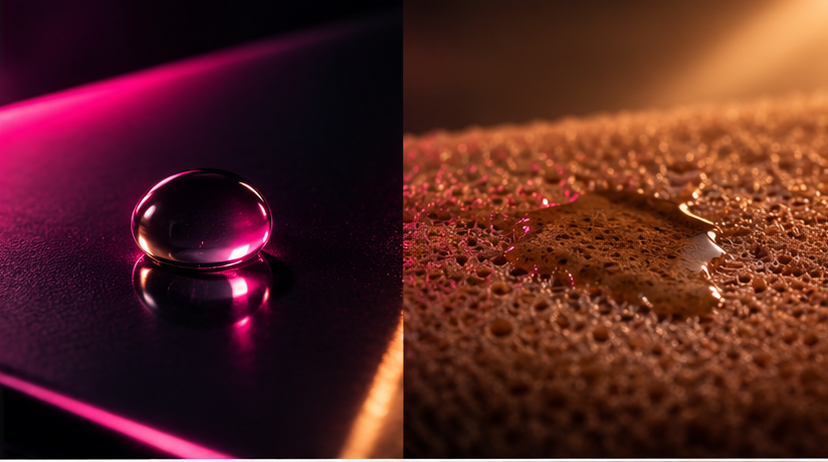
Read the table as a division of labor, not a knockout. Silicone owns internal use, sharing, vibration housings and anything you want to keep for years. TPE owns the soft realistic sleeve category, where its feel is the entire product and its disposability is priced in. Where buyers go wrong is expecting TPE to behave like silicone — sterilizing it, sharing it bare, or keeping it for years — or paying silicone prices for something that turns out to be TPE. The next section fixes the second problem.
How to Check What You're Actually Buying
Because "silicone" on a listing is a claim, not a certificate, a few quick checks separate the real thing from blends and fakes. None require equipment:
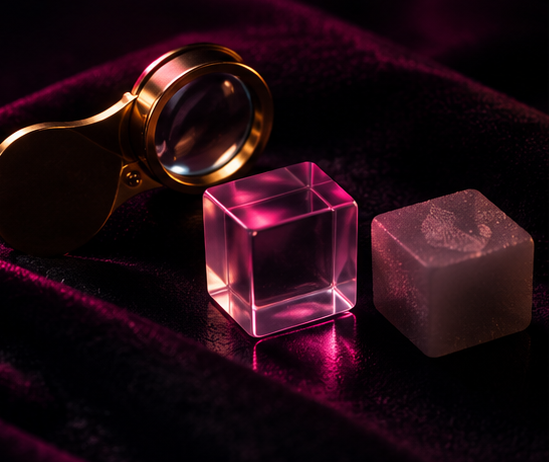
The smell test is the fastest filter. Genuine cured silicone is essentially odorless. A strong chemical, sweet, or shower-curtain smell means volatile additives are actively evaporating off the surface — that is off-gassing, and it does not fully stop. The stretch test comes next: pinch and pull a fold of the material. Pure silicone stretches uniformly; blends heavy with filler turn white or pale at the stress point.
The surface test: real silicone feels dry and velvety, never oily, greasy or damp. An oily film on a brand-new "silicone" toy means something is migrating out of it. Finally, the label test: trustworthy products name a specific material — "100% silicone," "platinum-cured silicone" — while evasive ones say "skin-safe rubber," "silicone feel," or nothing at all.
You may also encounter the flame test online: real silicone scorches to white ash rather than melting and dripping. It works, but it damages the toy and involves holding a flame to your purchase — treat it as a last resort for a toy you already suspect, in a ventilated space, on a spot that will not show.
The UAE angle deserves a sentence of its own: material quality varies most in unbranded imports, which dominate the cheapest end of every marketplace here. A store that vets its stock — and can answer "what is this made of?" in writing — has already run most of these tests for you, which is the quiet argument for buying from a specialist rather than the lowest anonymous price.
Lubricant Compatibility: The Rule That Saves Toys
One lube rule covers both materials: water-based only, always. The chemistry behind it is worth understanding because the failures are permanent.
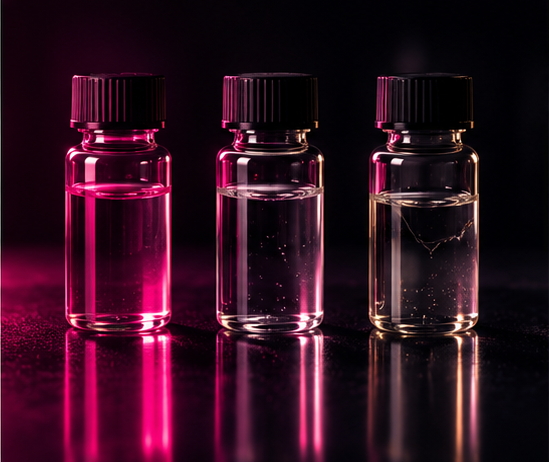
Silicone lubricant on a silicone toy sounds compatible and is anything but — the fluid silicone in the lube bonds with and dissolves the solid silicone surface, leaving it permanently sticky, pitted or swollen. Even mainstream sexual-health guidance singles this pairing out by name, because it ruins more expensive toys than any other single mistake. Oil-based lubricants — including coconut oil, the internet's favorite improvisation — attack TPE instead, softening and swelling the elastomer until it loses its shape and surface. Water-based lube is chemically inert toward both, washes off both, and is safe with condoms into the bargain. It dries faster than the alternatives, which is why a bottle lives next to every well-kept toy collection: the water-based Personal Lubricant (AED 29) is the cheapest insurance policy in this entire guide.
Common Mistakes That Ruin Good Toys
Most material damage is self-inflicted, and the same handful of mistakes accounts for nearly all of it:
- Silicone lube on silicone toys. Covered above because it bears repeating: one session can cloud and pit a surface permanently. When in doubt about a lube's base, assume it is the wrong one until the label proves otherwise.
- Oil on TPE. Massage oils, coconut oil and oil-based lubes all degrade TPE. The sleeve does not fail immediately — it slowly turns gummy, which is worse, because you keep using a compromised surface.
- Boiling TPE or running it through the dishwasher. TPE softens and deforms well below boiling point; the "sterilize everything" instinct melts it. Warm — never hot — water is the ceiling.
- The dish soap myth, in both directions. One camp claims only specialty toy cleaners work; the other uses whatever harsh degreaser is under the sink. The truth is boring: mild, unscented soap and warm water is the correct cleaner for both materials. Fragranced, antibacterial and heavy-duty dish soaps leave residue and can dry out TPE's surface.
- Storing silicone and TPE toys touching each other. Different polymers can react where they press together — the classic result is two toys semi-permanently fused in a drawer. Separate pouches for everything, no exceptions.
- Storing anything damp. Trapped moisture in a closed container is a hygiene problem for silicone and a fast track to mold in TPE's pores. Dry fully, then store.
- Sharing a porous toy without a condom. Because TPE cannot be sterilized, a condom is the only real barrier for shared use — change it between partners, every time.
Care and Storage, Material by Material
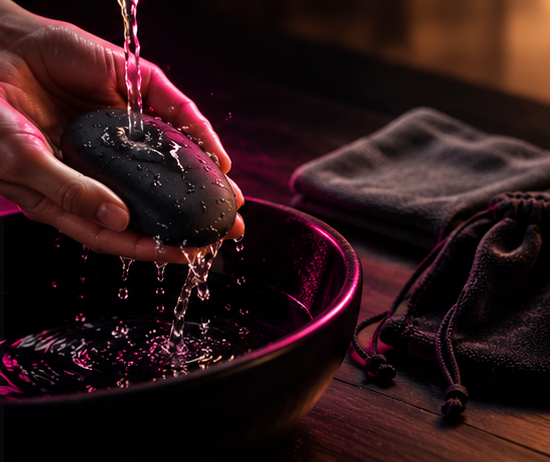
The daily routine is identical for both materials — wash with mild unscented soap and warm water, rinse thoroughly, air-dry completely, store separately in a lint-free pouch. The differences live in the details: silicone shrugs off hot water and rewards an occasional deep clean, while TPE demands lukewarm water, immediate washing, and a dusting of cornstarch once dry.
The single habit that extends any toy's life is drying it properly. Lint-free cloth, then open air, then storage — in that order, every time.
For silicone, after the basic wash you have real sterilization options that no other soft material offers: boil a motorless toy for three to five minutes, or soak it in a 10% bleach solution and rinse thoroughly. Do this monthly, or before and after sharing, and the toy is genuinely sanitized — this is what "non-porous" buys you. Motorized silicone toys stay with soap, water and a careful hand around charging ports. Storage is simple: a fabric pouch or the original box, away from other materials and out of direct sunlight, which slowly degrades any polymer.
For TPE, the routine is stricter because the margin is thinner. Wash immediately after use — residue that dries into the pores is not coming out. Keep water warm rather than hot, be gentle around thin sections and openings, and dry obsessively, including inside channels (a soft, lint-free cloth, then air-drying time). Once fully dry, a light dusting of cornstarch or a purpose-made renewal powder restores the silky surface and prevents the tackiness that otherwise develops. Store TPE alone in a breathable bag — never sealed plastic, which traps moisture — and inspect it monthly: once the surface turns persistently oily, sticky or discolored despite good care, the material is breaking down and the honest move is replacement, not stronger soap.
The Picks for Each Material (Available in the UAE)
For team silicone, the Realistic Silicone Dildo (AED 285) is the straightforward showcase for everything above — body-safe silicone, non-porous, boilable, built to outlast a drawer full of cheaper alternatives. The Heating Vibrating Dildo (AED 320) wraps the same silicone in a warming, motorized package, and at the other end of the price scale the Silicone Cock Ring (AED 10) is the cheapest possible way to own the right material. If you want silicone plus a motor, the Air Pulse Suction Vibrator (AED 270) pairs a silicone nozzle with a different sensation entirely — our air-pulse vs. traditional vibrator comparison covers that choice in detail.
For team TPE — where softness is the product and the care rules above apply in full — the Soft Real Feel Sleeve (AED 145) is the entry point, the Realistic Torso Masturbator (AED 175) adds weight and realism, and the Realistic Half Body Masturbator (AED 260) is the category flagship. Buy any of them with the cornstarch habit already formed and the replacement schedule already accepted, and TPE delivers exactly what it promises. If this is your first purchase in the category at all, the first-time buyer checklist and the beginner's guide to choosing a first vibrator are the right companions to this one.
Buying Body-Safe Materials in the UAE
Material risk and shopping risk overlap here more than in most markets. The UAE's adult-product supply is almost entirely imported, and the cheapest listings — anonymous marketplace sellers, vague "silicone-like" descriptions, no stated material — are where porous blends and jelly PVC hide. Under the UAE's official customs rules, international shipments of items classed as obscene can also be seized at the border, which makes the overseas bargain route doubly unappealing: questionable material, plus a chance it never arrives. A local store holding vetted stock inside the country solves both halves — the material question has been asked before the product is listed, and your order travels as an ordinary domestic parcel. The discreet shopper's guide covers how to judge a store and what the plain box at your door actually looks like.
Frequently Asked Questions
Is silicone body safe?
Yes — platinum-cured, medical-grade silicone is the benchmark body-safe material. It is non-porous, hypoallergenic, chemically inert and can be fully sterilized by boiling. Look for "100% silicone" or "platinum-cured" on the label; vague terms like "silicone blend" or "silicone feel" are not the same thing.
Is TPE safe for sex toys?
TPE is non-toxic and widely used, but it is porous — it cannot be fully sterilized even with careful washing. Used solo, cleaned immediately with mild soap and warm water, dried thoroughly and replaced when the surface degrades, it is a reasonable budget material. For shared use, always add a condom.
Can you boil TPE?
No. TPE softens and permanently deforms well below 100°C, so boiling or dishwashers will melt or warp it. Wash TPE with mild unscented soap and warm — not hot — water only. Boiling and diluted-bleach sterilization are options reserved for motorless platinum silicone toys.
Can I use silicone lube with silicone toys?
No. Silicone lubricant reacts with solid silicone, leaving the surface permanently sticky, pitted or swollen — sometimes after a single use. Use water-based lubricant with silicone toys; it is chemically safe for every material and condom-compatible. The same applies to silicone-nozzled air-pulse toys.
How can I tell if a toy is real silicone?
Check four things: no chemical smell; a dry, velvety (never oily) surface; a stretch test that shows no white stress marks; and a label naming "100%" or "platinum-cured" silicone. Persistent doubts can be settled with a small flame test — genuine silicone scorches to white ash rather than melting and dripping.
How long does TPE last?
With diligent care — immediate washing, thorough drying, cornstarch dusting, separate storage — a TPE toy typically lasts six to twelve months of regular use. Replace it once the surface stays tacky or oily despite cleaning, discolors, or develops tears, since degraded TPE cannot be restored.
Are jelly toys the same as TPE?
No. Unlabeled "jelly" toys are usually PVC softened with plasticizers, frequently phthalates — chemicals the EU restricts as toxic to reproduction in children's products. Signs include a strong chemical odor and an oily film. TPE is a distinct, phthalate-free material, though still porous and not sterilizable.
The Bottom Line
The silicone-versus-TPE question has a boring, reliable answer: silicone for anything internal, shared, motorized or long-term; TPE for soft realistic sleeves you accept as consumables; neither without water-based lube; and jelly PVC without exception. Material is the one spec that decides hygiene, lifespan and total cost before any feature gets a vote — which is why it belongs at the top of your checklist rather than the bottom. Buy from a store that names its materials and vets its stock, follow the five-step care routine, and a good toy stays safe for its entire natural life. When you are ready to put the table into practice, browse the Private UAE collections — every product page names its material, because in this category that is the least a store owes you.