
Before you fear it, understand it. UAE customs is not a courtroom and it's not a police station — it's a desk at the border where every international parcel is read from its paperwork before it's allowed into the country. The whole process runs on one document: the customs declaration, a written description of the goods. If that description falls under the UAE's classification of obscene material, the parcel is pulled and seized. The thing to grasp is that this desk only exists for international shipments. An order from stock already inside the UAE never reaches it, which is why the entire "customs risk" conversation is really a conversation about where the stock lives.
The Desk at the Border
Walk through the process once and it stops being a black box. Every inbound international parcel arrives with a customs declaration — a description of the item, its value and its origin — and the desk reads that first, before anything is opened. For the vast majority of parcels the declaration matches a routine scan, the parcel clears, and it joins the domestic courier network. The problem for this category is narrower and more precise than people imagine: the declaration has to describe the item, and certain descriptions trigger the UAE's customs classification of obscene material. At that point the parcel is flagged, opened, and seized — it never enters the domestic network.

The Inspection, Step by Step
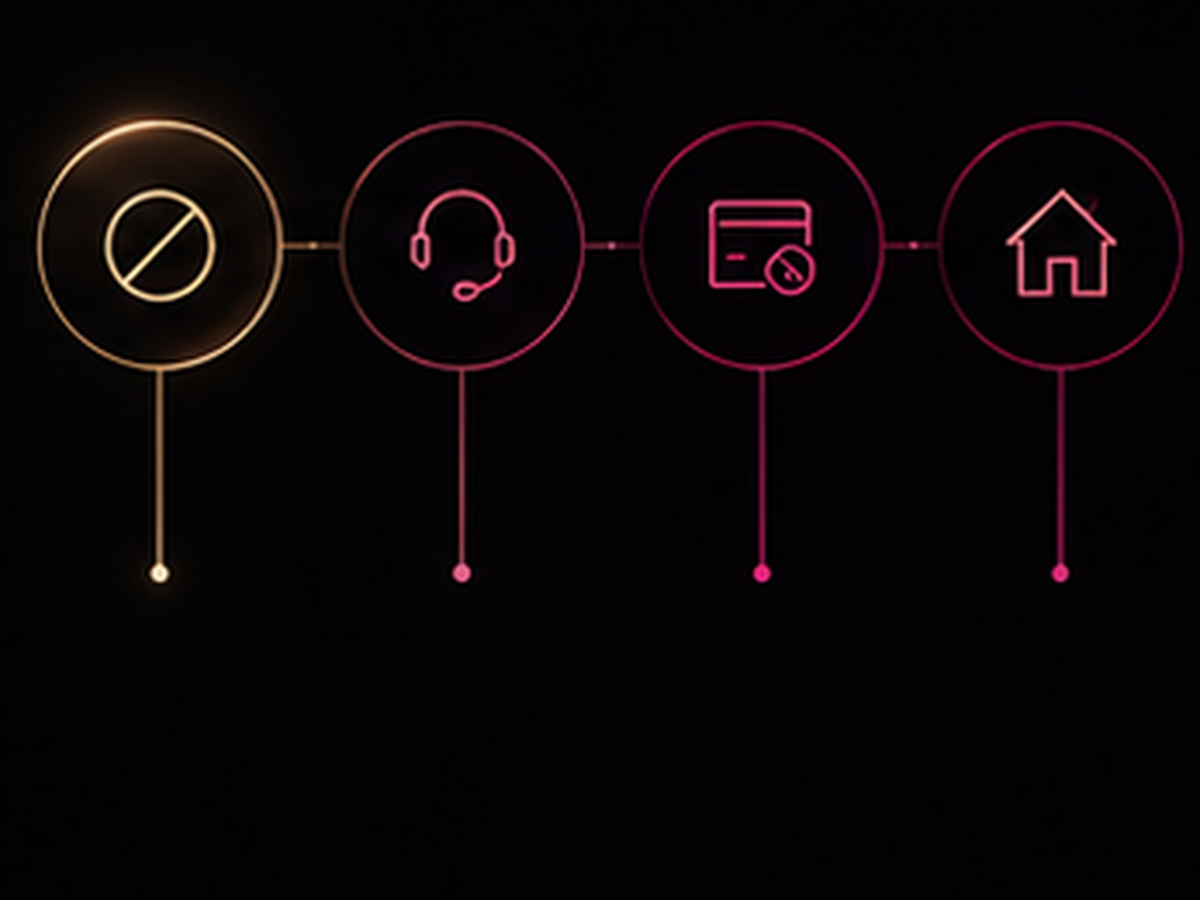
Because the fear comes from the unknown, here's the process as five concrete steps, so the desk stops being a black box:
- Arrival. The international parcel lands at the border and enters the clearance queue, its declaration attached.
- Paperwork first. The desk reads the declaration before anything is opened — it's the description, not the box, that decides what happens next.
- Flag. If the description falls under the restricted classification, the parcel is pulled from the routine flow for inspection.
- Open and verify. The parcel is opened and checked against the declaration — a routine physical confirmation, not a judgment of you.
- Decision. Clear it, release it with a note, or seize it. This is the whole process; there's no extra step and no appeal that's worth pursuing.

The one thing to notice in that sequence is where discretion happens: it's all in step two, the reading of the description. The rest is mechanical. Which is why the contents of the declaration — the exact words on the form — matter more than anything about the parcel itself.
Two Parcels: A Field Guide
The cleanest way to understand the risk is to put two parcels side by side and trace their routes. The international parcel crosses the border, its declaration is read, it may be inspected, and it may be seized — two to four weeks in transit, then possibly nothing. The domestic parcel has no border, no declaration and no inspection: an ordinary courier run from a warehouse inside the country to your door. The entire difference between "arrives in three days" and "never arrives" is which of those two routes the order is on, and that's decided before you pay, not after.

The practical skill is spotting which route you're buying, and the tells are on the storefront rather than at the border: a two-to-four-week delivery estimate, a seller that won't state where it ships from, or any mention of "discreet import" — a genuinely local store has nothing to import and says so plainly.
The Declaration Is the Real Leak
Seizure is the dramatic risk, but it's not the only one — and arguably not the one that matters most for privacy. The customs declaration describes the contents in writing, and that description travels with the parcel. A package delivered to a shared reception or an office mailroom carries paperwork that a neighbour, colleague or concierge can read. It's the exact opposite of discreet. A domestic order has no such declaration: the label carries a neutral sender name and nothing describing the contents, which is the whole point of the packaging practices in our guide to how discreet delivery works. When people ask whether international shipping is "safe," they're usually asking about this leak as much as the seizure. It's worth setting that against the law that governs your data once a store holds it: the UAE's data protection law (PDPL, Federal Decree-Law No. 45 of 2021) requires a merchant to collect only what it needs and keep it secure — which is a real protection for your record, but it does nothing about a printed declaration on the outside of a box.

What "Classed as Obscene" Actually Means
The uncomfortable truth at the centre of this category is that the classification is not a precise list — it's a discretionary judgment applied at the border, which is exactly what makes it unpredictable. You can't look up your item against a published table and know whether it will clear; the decision sits with the officer reading the declaration, informed by a broad definition of what's considered obscene or contrary to public morals. That unpredictability is the real risk, and it's the reason no amount of "clever wording" on a declaration reliably protects you. The only reliable protection is not having a declaration at all — which, again, is the domestic-stock route. For the plain-law version of what's restricted and what isn't, our legality guide separates the rules from the folklore.
What Seizure Actually Means
Be precise about the worst case, because the word conjures more than what happens. In practice, enforcement concentrates on importers and sellers — the businesses moving commercial quantities across the border — not on individuals receiving a personal parcel. When a personal order is intercepted, the typical outcome is confiscation of the goods and the loss of your money, not prosecution of the buyer. That's a bad outcome — you're out the money and the parcel never comes — but it's a shipping risk, not a criminal one. Our guide to the legality of buying in the UAE separates those two things in detail, and the short version is: you are not the one the border is worried about.

The Three Outcomes
After the decision at step five, one of three things happens, and they're worth naming so none of them surprises you:
| Outcome | What It Means |
|---|---|
| Cleared | The declaration passes, the parcel joins the domestic network and is delivered — but the description still traveled on the paperwork. |
| Opened and released | The description was ambiguous, the parcel was opened, nothing further was flagged, and it's released — delayed but delivered. |
| Seized | The item is confiscated as restricted; you lose the goods and the money, and there's no practical appeal. |

Notice that even the two "good" outcomes carry the paperwork leak from the declaration; the only outcome with no downside is the one the domestic parcel never has to face.
What to Do If It Gets Seized
If the worst happens, the practical moves are few and honest. Don't reorder from the same source — the same declaration will face the same judgment. Try the seller, briefly: some will reship or refund, but don't expect it from an overseas drop-shipper. If you paid by card, consider a chargeback: "goods never delivered" is a valid basis, and the Central Bank of the UAE's consumer protection framework means your card issuer may reverse it even when the seller won't. And accept the loss as a shipping cost rather than chasing an appeal — there's no meaningful appeals channel for a personal parcel in this category. The cleanest lesson isn't how to recover; it's that the next order should come from stock that never crosses the border at all.
How to Read a Storefront Before You Pay
The customs risk is decided at checkout, so the useful skill is reading a storefront in thirty seconds. Three tells separate a domestic seller from an overseas drop-shipper: the delivery estimate — weeks mean overseas, whatever the storefront implies; the stated stock location — silence usually means abroad; and the shipping method — any mention of international courier, customs or import is a red flag. A store holding stock inside the UAE says "local stock, no customs" plainly, because it's a selling point. The full checklist is in the discreet shopper's guide, and the local store vs marketplace walkthrough shows the same tells in a day-by-day comparison.
The Order That Never Sees the Desk
Every risk in this guide disappears with one decision: buy from stock already inside the country. No border, no declaration, no inspection, no seizure — the order travels as an ordinary domestic parcel, same-day in Dubai and one to three days across the emirates, as mapped in the delivery guide to every emirate. The cheapest way to confirm it is a starter order that never needs to cross anything: a water-based lubricant (AED 29) and a portable slim vibrator (AED 185).
Frequently Asked Questions
Will my international order be seized at UAE customs?
It can be, if the customs declaration describes an item classed as obscene. Personal parcels are usually confiscated rather than prosecuted, but the goods and the money are lost either way. Domestic stock avoids the border entirely.
Is it illegal to ship wellness products into the UAE?
Commercial import of items classed as obscene is restricted, and personal international parcels risk seizure. But there's no criminal penalty for an individual receiving a domestic parcel — the risk is a shipping one, not a legal one for the buyer.
How can I tell if a seller ships from overseas?
Look at the delivery estimate — two to four weeks means an overseas shipment. A seller that won't state its stock location, or mentions international courier or customs, is shipping from abroad. A local store says "local stock, no customs" plainly.
What happens to my money if a parcel is seized?
You typically lose it. The parcel is confiscated and there's no refund from an overseas seller once it's in transit and stopped at the border. It's the strongest practical argument for buying from in-country stock.
Does the parcel show what's inside?
An international parcel carries a customs declaration describing the goods, readable at a reception or mailroom. A domestic parcel has no such declaration — only a neutral sender name and an address.
What's the difference between "opened and released" and "seized"?
"Opened and released" means the declaration was ambiguous, the parcel was physically checked, nothing further was flagged, and it continued to delivery — delayed but delivered. "Seized" means the item was confiscated as restricted, and both the goods and the money are lost.
What should I do if my parcel gets seized?
Don't reorder from the same source — the same declaration faces the same judgment. Try the seller briefly, and consider a card chargeback on "goods never delivered." Then accept the loss and make the next order from in-country stock, which never faces customs.
Can I guarantee an international order clears customs?
No. The obscene-material classification is discretionary, not a precise list, so clearance can't be guaranteed by wording the declaration differently. The only reliable way to remove the risk is a domestic parcel with no declaration at all.
Skip the Desk
The customs question only exists because international shipping exists. Remove the border from the journey — by buying from stock already in the country — and there's no declaration to read, no inspection to pass and no parcel to lose. For a category built on discretion, that's the difference between an order that arrives quietly and one that arrives at a desk with its contents typed out. Shop the collection and skip the border altogether.
Sources
- u.ae — UAE government portal — customs clearance rules and restricted-item thresholds.
- u.ae — UAE data protection law (PDPL) — how merchants must handle personal data.
- www.centralbank.ae — Central Bank of the UAE — consumer protection rules covering card payments and chargebacks.