
Place the same order twice: one with a local UAE store, one with an overseas marketplace seller, on the same evening. Then watch what happens to each parcel day by day. The local one is at your door in three days. The other spends two weeks crossing a border — where a customs declaration describes its contents and the parcel can be seized outright — and, if anything goes wrong, ends in a refund process that never quite resolves. This isn't a hypothetical; it's the difference between two supply chains, and the day-by-day story below makes the choice obvious before you've even paid.
The Same Order, Two Ways
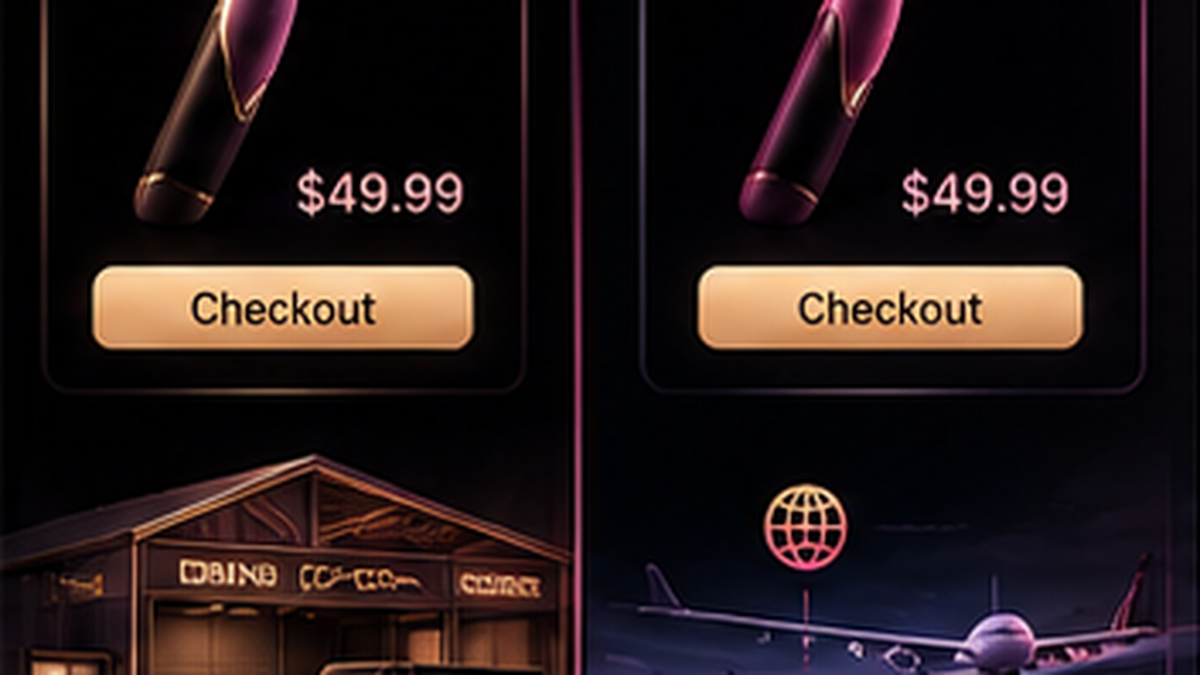
Both checkouts look identical on screen — a product page, a price, a buy button. The difference is invisible at that moment: one seller is holding the stock in a warehouse inside the UAE, the other is drop-shipping from a warehouse overseas. Every difference that follows — the three-day arrival versus the two-week wait, the plain box versus the customs declaration, the instant refund versus the month-long dispute — is decided by that one fact, set in stone the second you pay. That's the frame for everything below: same order, same evening, two entirely different journeys.
The Platform Isn't the Problem — the Seller Is
Before the timeline, one clarification so the argument doesn't overclaim. This isn't an anti-marketplace essay, and it's not about "Amazon vs. a small store" as brands. Amazon.ae — like every marketplace — hosts both local sellers holding UAE stock and overseas third parties drop-shipping across the border, and the entire difference in this guide comes down to which one you're buying from. A local seller on a marketplace gets every local advantage: fast domestic delivery, no customs, plain domestic packaging. An overseas third party gets every risk, whatever platform hosts them. So the skill isn't "avoid one site and use another" — it's "read the seller, not the platform," because the only question that matters is where the stock physically sits.
Day 0: The Difference Is Already Made
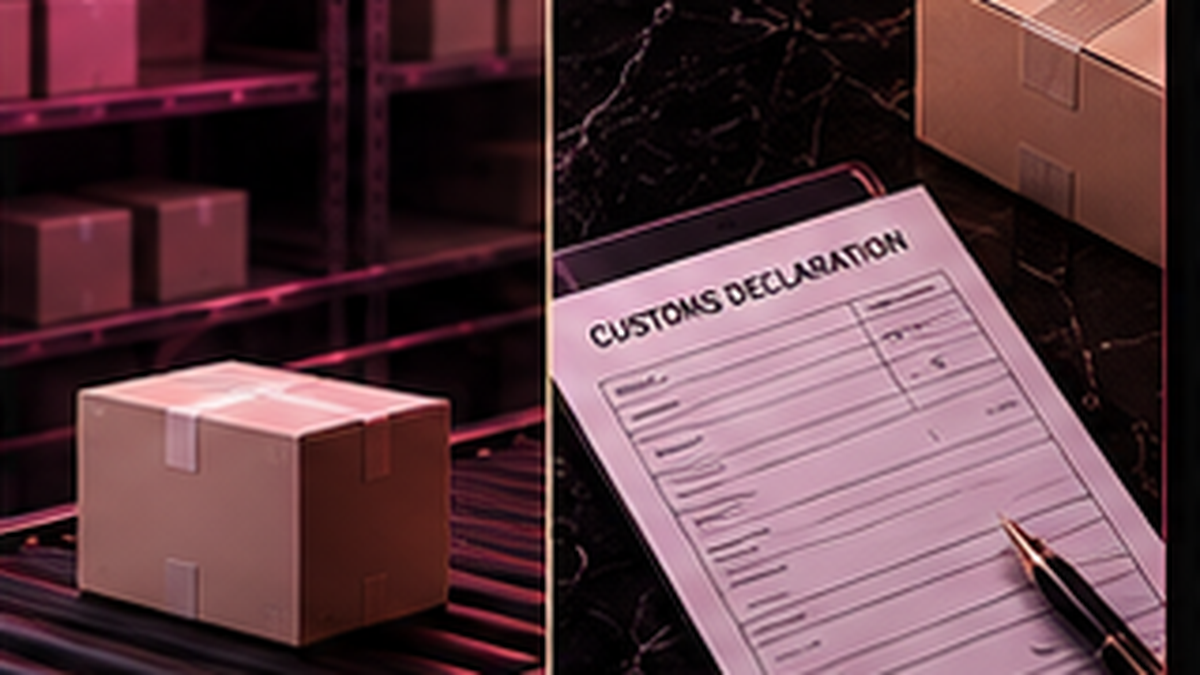
Within hours of checkout, the two orders are on different rails. The local order enters a domestic packing bench — plain box, neutral sender name, no description of the contents anywhere on the label — and joins that evening's courier batch. The overseas order enters a queue for an international carrier, and its paperwork is prepared with a customs declaration that states, in writing, what's inside. Neither parcel has moved far yet, but the local one has already cleared the only checkpoint that ever gives this category trouble; the overseas one is being pointed at it.
Day 3: One Arrives
The local parcel is delivered. Same-day in Dubai, one to three days across the emirates — the exact map is in the delivery guide to every emirate. It arrives as an unremarkable domestic parcel: a courier hands over a plain box, takes cash if you chose cash on delivery, and leaves. Nothing on the outside says what it is, because nothing needs to. Meanwhile the overseas parcel is somewhere in transit, its tracking page quietly not updating.

Day 14: The Other Reaches the Border
Two weeks in, the overseas parcel finally reaches the UAE border — the one stage the local parcel never faced. Under the UAE's official customs rules, items classed as obscene can be seized on international shipments. If the declaration trips that classification, the parcel is confiscated and the money is gone — the outcome our customs guide walks through step by step. Even when it clears, the declaration itself has already described the contents on paperwork that can surface at a shared reception or office mailroom.

Day 21: The Refund That Never Quite Comes
Suppose the worst doesn't happen at the border — the parcel clears, arrives, and it's the wrong item or a dud. Now the two journeys diverge one final time, and it's the most telling divergence of all. The local store answers in your timezone, in English, the same week, and can redirect or refund within days — it has a reputation in a small market to protect. The overseas seller sits in another jurisdiction: the dispute process is slow, the response is templated, and a refund, if it comes at all, arrives weeks later after a paper trail. By Day 21 you're not comparing stores anymore; you're comparing whether anyone is accountable for your money. In the UAE that accountability rests on a federal framework — for card payments specifically, the Central Bank of the UAE's consumer protection rules set the baseline — and both the chargeback route and the cash-on-delivery route are weighed in our COD vs. card comparison. The UAE shopping rights guide covers what you're actually owed and how to spot a store that honours it in advance.

The Price Illusion
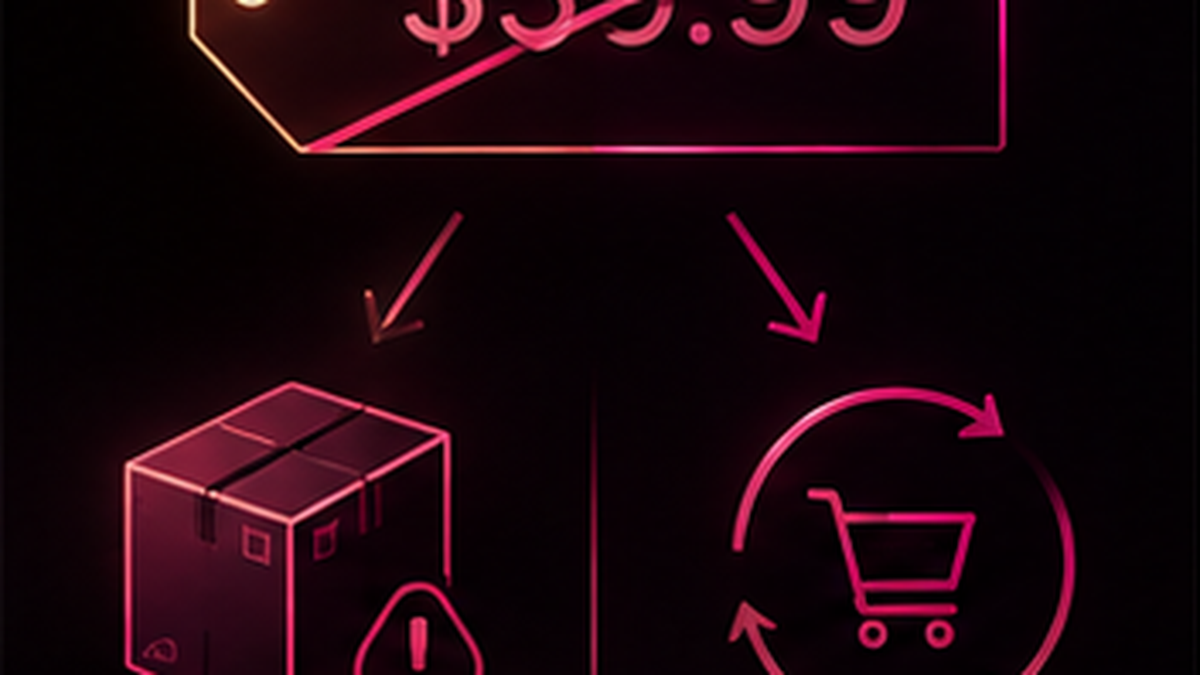
The marketplace's headline price is often lower, and that lower number is doing quiet work — it's the main reason people accept everything above. So it's worth doing the honest arithmetic. The overseas "saving" evaporates the moment anything goes wrong: a parcel seized at customs is a 100% loss, not a discount; a dud item that can't be returned is a full repurchase; the three weeks of tracking anxiety and dispute messaging are a cost with no line item. The local price, by contrast, buys the arrival — and in a category where a failed delivery is both private and total, the arrival is the product. A lower number that buys nothing is not a saving; it's a gamble dressed as a deal.
How to Read a Marketplace Listing
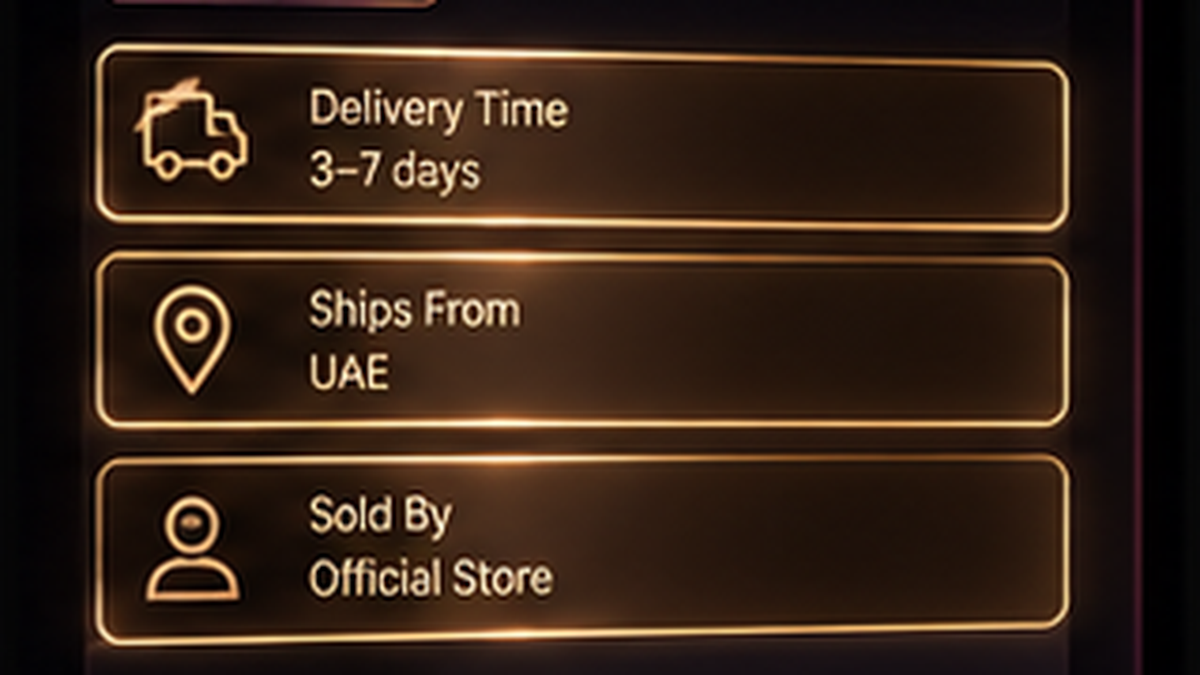
The single most useful skill here is reading a listing in thirty seconds and knowing which supply chain you're on. Three tells do it. The delivery estimate: two to four weeks is an overseas shipment, whatever the storefront implies. The "ships from" line: a seller that won't state its stock location — or lists a country outside the UAE — is drop-shipping. The seller's name: a random string of characters or a storefront with no presence is a red flag, because there's no one accountable behind it. A genuinely local store says "local stock, no customs" plainly, because it's a selling point rather than something to hide. The discreet shopper's guide turns these tells into a full checklist.
The Neutral Sender, Explained
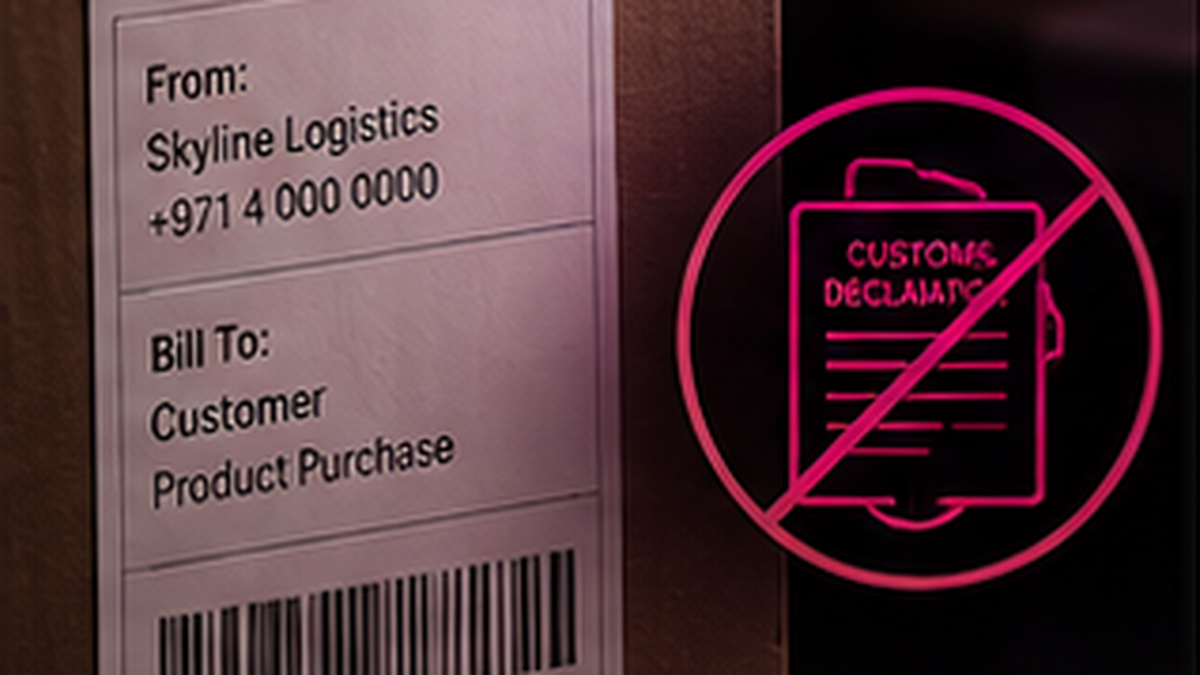
"Discreet packaging" gets thrown around so loosely that it's worth pinning down what it actually has to mean, because discretion in this category has three written parts and a plain brown box is only one of them. The sender name on the label must be a neutral trading name, not the store's actual name and certainly not anything descriptive. The billing descriptor on your card statement must be equally neutral, so the purchase doesn't read back to anyone who sees the statement. And there must be no customs declaration — because that document is the one thing that actually names the contents in writing, and it's the part an overseas shipment can't avoid. A domestic order has none of that third risk; the only words on the parcel are an address and a neutral name. The mechanics are spelled out in how discreet delivery works — the short version is that "plain box" is the beginning of discretion, not the whole of it.
What Actually Differed
Looking back at the two journeys, five things separated them — and none was the price:
| Local UAE Store | Overseas Marketplace | |
|---|---|---|
| Border | None — domestic parcel | Customs inspection, seizure risk |
| Time | Same-day to 3 days | Two to four weeks |
| Packaging | Plain, neutral sender | Contents declared in writing |
| Billing | Neutral descriptor on your statement | Seller name, often overseas-looking |
| Support | Same-week, your timezone | Slow, seller-dependent |
The marketplace usually wins on breadth and sometimes on headline price; the local store wins on every dimension that decides whether the purchase stays private, arrives, and can be made right. For this category, that's the whole game.
The Pre-Purchase Checklist
Everything above collapses into five checks you can run in under a minute, before you pay. None of them require expertise — they require reading what the seller has already written:
- Stock location stated. "Ships from the UAE" in plain words; anything vague or overseas is a border crossing waiting to happen.
- Delivery in days, not weeks. Same-day to three days is domestic; two to four weeks is international.
- Neutral sender and billing, in writing. A real store states both, because it's a selling point.
- Cash on delivery available. COD keeps the order off your statement entirely, and it's a local-store signal.
- A privacy policy and support that answers. The PDPL makes the policy a legal baseline, and a support team in your timezone is the difference at Day 21.
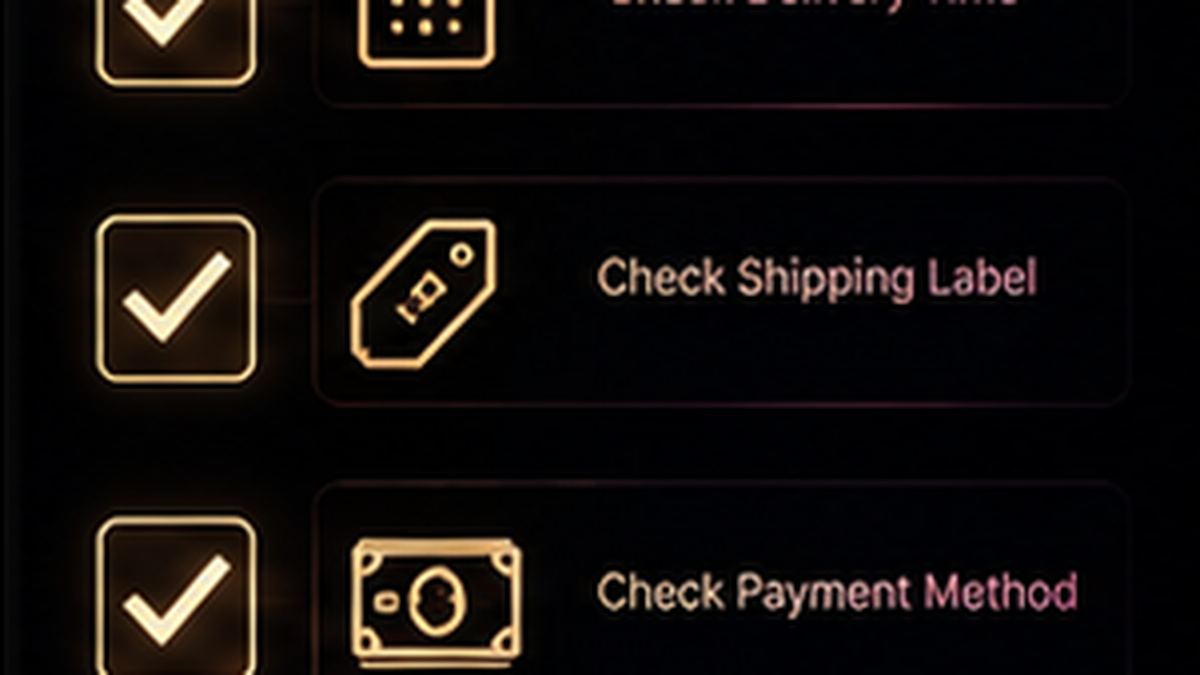
Five yeses and you've bought from the local side of the map without ever needing to see the warehouse; a no on any of them is the seller telling you which journey your parcel is about to take.
The Smallest Local Order
If you want to watch the two journeys for yourself without much at stake, the smallest local order is the cleanest experiment: a portable slim vibrator (AED 185) plus a water-based lubricant (AED 29), both stocked in-country, both arriving in a plain box under a neutral name. It's the entire "why local" argument in one parcel — no border, no wait, no written description of the contents anywhere but in your hand. It's also why the local model exists at all here: with around 88% of residents being expatriates, a large share living in shared or serviced housing, a parcel's outside is public information for most of the market — a problem only in-country, unbranded stock solves.
Frequently Asked Questions
Is it safe to buy wellness products from Amazon in the UAE?
It depends on the seller's stock location. Overseas third-party sellers mean a customs inspection where the parcel can be seized, and a customs declaration describing the contents. Local stock avoids both — a domestic parcel with no customs stage.
Why is a local UAE store better for discretion?
Because discretion is structural: plain packaging in writing, a neutral sender name, a neutral billing descriptor and cash on delivery. A marketplace inherits whatever the individual seller does, which for overseas drop-shippers often includes a customs declaration naming the item.
Do local UAE stores offer cash on delivery?
Yes, across all seven emirates. You pay the courier in cash at your door, keeping the order off your bank statement. Many marketplace sellers in this category don't offer COD at all.
How much faster is a local store than an overseas seller?
Local orders arrive same-day in Dubai and one to three days across the emirates. An overseas order typically takes two to four weeks in transit, with tracking that goes quiet for days at a time.
What happens if an overseas order is stopped at UAE customs?
It can be confiscated as an obscene item — you lose the goods and the money. Even when it clears, the declaration has already described the contents in writing. Local stock never faces customs.
Can I return or refund an overseas order easily?
Usually not. Once an overseas order is in transit, redirecting or refunding it is practically impossible and the dispute runs in the seller's jurisdiction. A local store can redirect or refund within days, in your timezone.
What does the "ships from" line on a listing tell me?
Whether you're buying local stock or an overseas drop-shipment. A seller that lists a country outside the UAE — or won't state a location — is shipping internationally, which means customs risk and a weeks-long wait regardless of the listing's promises.
Why isn't a cheaper overseas price actually cheaper?
Because the saving disappears the moment anything goes wrong. A seized parcel is a total loss, a dud that can't be returned is a full repurchase, and the wait and dispute are real costs. A local price buys the arrival, which in this category is the product itself.
Pick the Parcel, Not the Price
At the end of the two journeys, the choice was never really between stores — it was between a parcel that arrives in three days with nothing written on it and someone accountable behind it, and one that spends two weeks heading toward a desk where its contents are typed out and judged, with a refund process that never quite resolves. For a category built on discretion, that's not a close call. Shop the collection and pick the parcel that never sees the border.
Sources
- u.ae — UAE data protection law (PDPL) — how merchants must handle personal data.
- u.ae — UAE government portal — customs clearance rules and restricted-item thresholds.
- www.centralbank.ae — Central Bank of the UAE — consumer protection rules covering card payments and chargebacks.
- www.globalmediainsight.com — UAE population statistics — expatriate share and housing patterns.