
Think of shopping online in the UAE as three promises a store makes you the moment you pay — even if it never says them out loud. First: you can return goods and get your money back within a defined window. Second: that refund has a real route to reach you, even if you paid cash at the door. Third: the personal details you hand over are protected by the UAE's data protection law (PDPL), which turns a privacy policy from a courtesy into a legal obligation. Most shoppers never check these three until something goes wrong. This guide makes them checkable in advance.
The Three Pillars
The three promises are distinct, and a store can keep one while breaking the next, so they're worth treating as three separate things rather than one "customer service" blur. The first is about time — the return window. The second is about money — the refund route. The third is about data — what happens to your name, address and payment details after the sale. In a category built on privacy, it's that third pillar that usually matters most, but all three tell you the same thing about a seller: whether it intends to be accountable after checkout.

Pillar One: The Return Window
The UAE's Consumer Protection Law gives online shoppers the right to return goods and receive a refund within a defined window — with one exception that matters directly here: intimate products are typically non-returnable once opened, for hygiene reasons. That isn't a store being difficult; it's the law working exactly as intended, keeping unopened items returnable while protecting the next customer. The practical version is to read the return policy before you buy, not after, and to expect the hygiene exception to be applied precisely — opened items refused, unopened items honoured. A store with no policy at all is a store that has already signalled where its accountability ends.

Pillar Two: The Refund Route
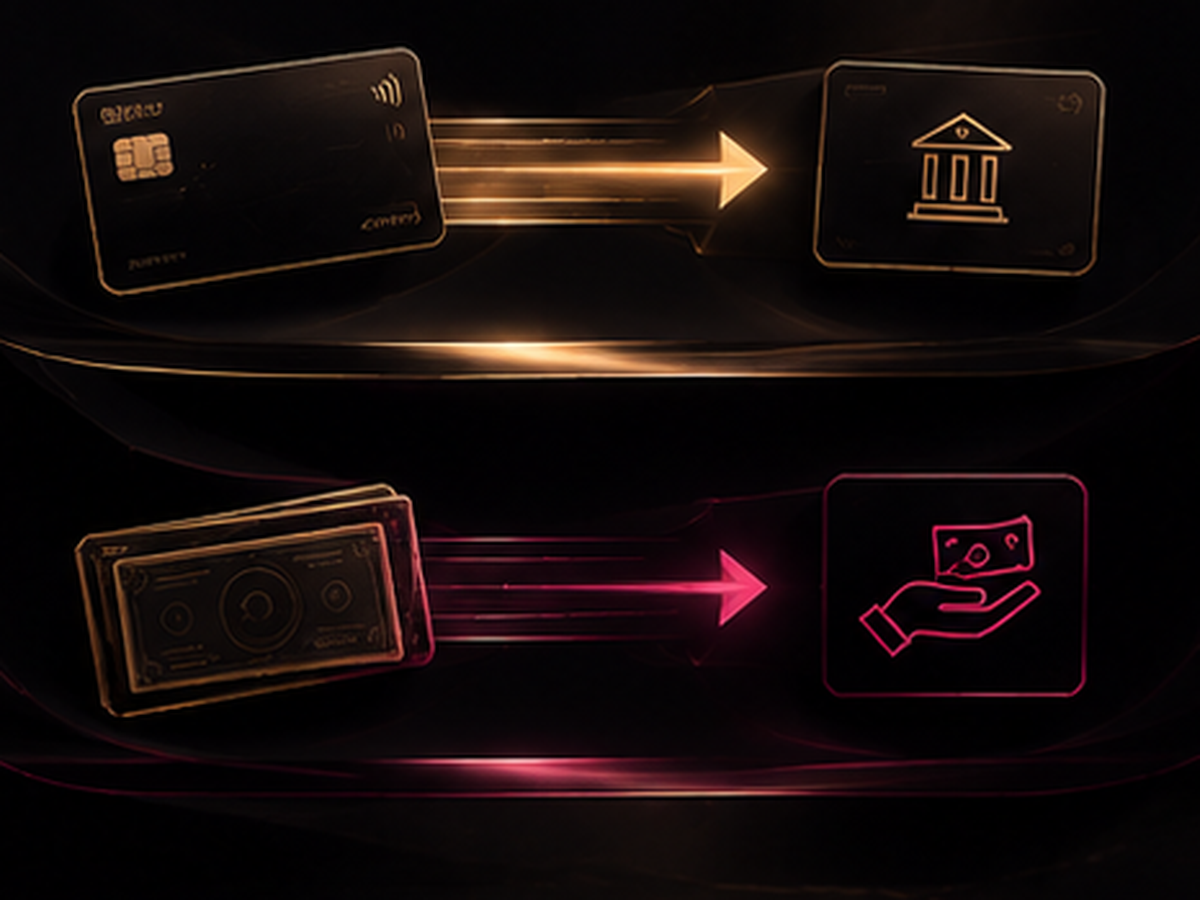
Refunds travel back the way the payment came — and cash on delivery, the region's favourite privacy method, complicates that. A card payment reverses automatically with a neutral descriptor — and if the seller won't cooperate, a chargeback falls under the Central Bank of the UAE's consumer protection rules; a COD refund is issued to you directly, so the store needs an actual process for it rather than a button click. That's not a reason to avoid COD — it's the reason to check, before paying, that the store states how a COD refund works. The privacy trade-offs between the two methods are laid out in the COD vs. card comparison: one keeps the purchase invisible but puts the refund on you to coordinate — a method still popular enough regionally that Checkout.com's MENA report tracks its usage as digital payments mature — the other leaves a neutral line on your statement but reverses itself.
Pillar Three: Your Data, Legally
The third promise is where "trust us" becomes "the law requires it." The PDPL obliges any merchant holding your personal information — name, address, phone number, payment details — to collect it lawfully, use it only for the purpose you gave it, keep it secure, and let you access or delete it. For a category where the customer's entire concern is privacy, this is the difference between a real store and a data collector. A privacy policy that names the law, states what's collected and why, and explains how to exercise your rights is the legal baseline; a store with no privacy policy is already out of compliance before you've placed an order. The discreet shopper's guide treats this as one of its core store tests for exactly this reason.

The Sixty-Second Check
None of the three pillars requires a lawyer to verify — they require sixty seconds before you pay. The check is three questions, each answerable from the store's own pages: Is there a return-and-refund policy with a clear window? Does it state how COD refunds work? Is there a privacy policy that names the PDPL? Three yeses and the store has made all three promises in writing, which is what makes them enforceable. A no on any one of them is the store answering the question before you've asked it. The same logic applies across the country — consumer and data protection are federal, so a customer in Fujairah holds the same three promises as one in Dubai, with only delivery times varying, as the delivery guide to every emirate shows.

Frequently Asked Questions
Can I return an opened wellness product in the UAE?
Usually not, and that's lawful — intimate products fall under the hygiene exception to the return right once opened. Unopened items within the stated window are returnable. Expect the exception to be applied precisely, not used to refuse everything.
How do cash-on-delivery refunds work?
They're issued to you directly rather than reversed on a card, so the store needs a real process for it. Privacy is the upside — nothing on your statement — but the refund is on you to coordinate. A store that states its COD refund process is the one to trust.
What does the PDPL mean for my online orders?
The UAE's data protection law requires merchants to collect your data lawfully, use it only for the purpose you gave, keep it secure, and let you access or delete it. A privacy policy that names the law and explains your rights is the legal baseline.
Do my shopping rights change by emirate?
No. Consumer protection and data protection are federal, so a customer in Fujairah has the same return rights, COD options and PDPL protections as one in Dubai. Only delivery times vary by location.
What's the biggest red flag in an online store?
No refund policy, no privacy policy, or support that goes quiet when a refund is raised. A store that won't state its policies in writing before you pay is signalling that your rights end at checkout.
A First Order That Tests All Three Promises
The cheapest way to test a store against the three pillars is a small first order, and that's exactly what the Personal Lubricant 60ml (AED 29) is for: a low-stakes purchase that still exercises every promise — a stated return window, a refund route you can verify, and a privacy policy that actually governs the transaction. If you'd rather the first order also be the one you wanted, the Portable Slim Vibrator (AED 185) sits in the same low-risk band: body-safe, quiet, and covered by the same terms. A store that handles a AED 29 order cleanly has shown you how it will handle a AED 300 one.
Three Promises, One Check
You don't need to memorise consumer law — you need to spend sixty seconds confirming that the store has put its three promises in writing: the return window, the refund route and the data shield. A store that has all three is one you can hold to account; a store that hasn't has already told you everything. Shop the collection with the check in hand, and your rights stop being theoretical.
Sources
- u.ae — UAE data protection law (PDPL) — how merchants must handle personal data.
- www.centralbank.ae — Central Bank of the UAE — consumer protection rules covering card payments and chargebacks.
- www.checkout.com — Checkout.com MENA report — cash-on-delivery usage trends across the region.