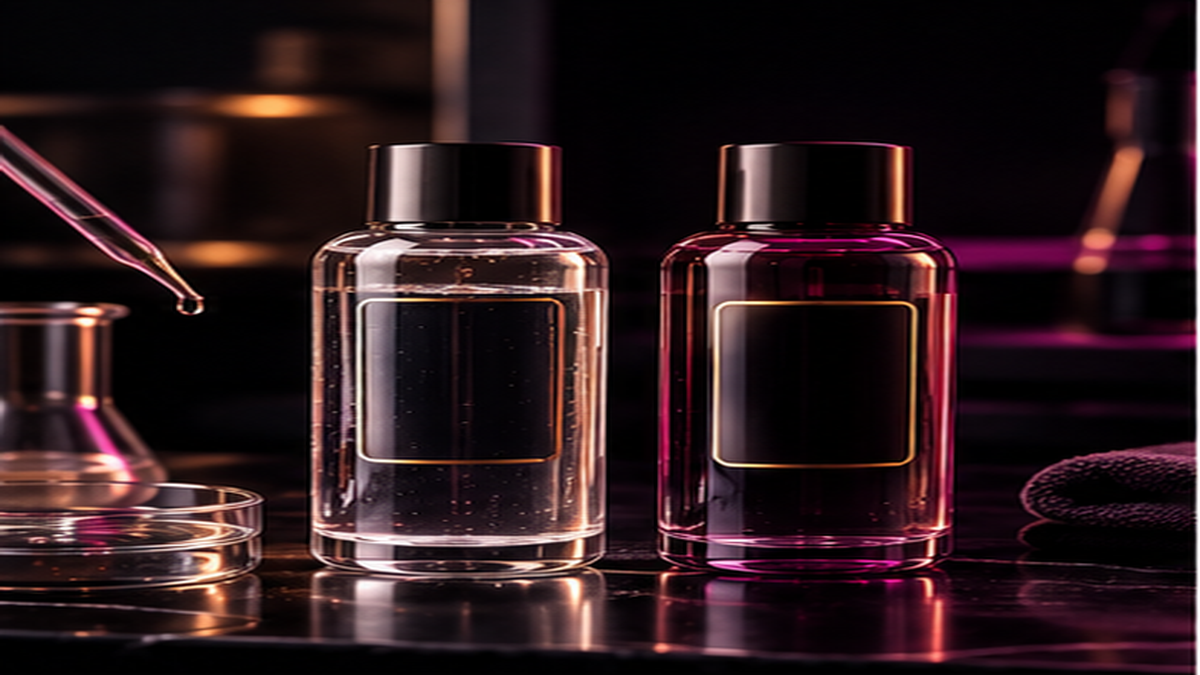
Forget the marketing and run the experiment. Take two lubricants — one water-based, one silicone — and test each against the things it will actually touch: a silicone toy, a TPE sleeve, a latex condom, a running shower, and your own skin. Water-based survives contact with all of them. Silicone survives four and permanently ruins the first. Oil-based — the third bottle people keep reaching for — fails the parts that matter. That set of results is the entire decision, and it's why this guide reads like a lab bench rather than a sales pitch: we run four tests, show you where each lube fails, teach you to read the label instead of trusting it, and let the results speak for themselves.
The Bottles on the Bench
Meet the subjects before the tests, because the chemistry explains every result that follows. Water-based lube is a water-dominant gel whose slip comes from dissolved or suspended thickening agents — a temporary film that glides, then absorbs into skin or evaporates, and rinses away with plain water. Silicone lube is built from the same silicone polymers as many toys — it doesn't absorb, doesn't evaporate, and stays slick for hours. On paper the second sounds strictly better; the tests below are why it isn't, and why the store's own shelf is deliberately water-based only.
Test One: The Compatibility Run
Line up the surfaces a lube will meet in real life and record what each does. Water-based passes every cell — silicone toys, TPE and TPR sleeves, glass, metal, and both latex and polyisoprene condoms — because it is chemically inert toward all of them. Silicone passes every cell except one: against a silicone toy, it bonds with and dissolves the surface, leaving it permanently sticky, pitted and swollen. The failure isn't subtle and it isn't reversible — it is the most expensive single mistake in this entire category. The full matrix, so the result is a table rather than an anecdote:
| Material | Water-Based | Silicone | Oil-Based |
|---|---|---|---|
| Silicone toys | Safe | Damages them | Safe |
| TPE / TPR toys | Safe | Safe | Damages them |
| Glass / metal | Safe | Safe | Safe |
| Latex / polyisoprene condoms | Safe | Safe | Breaks them |
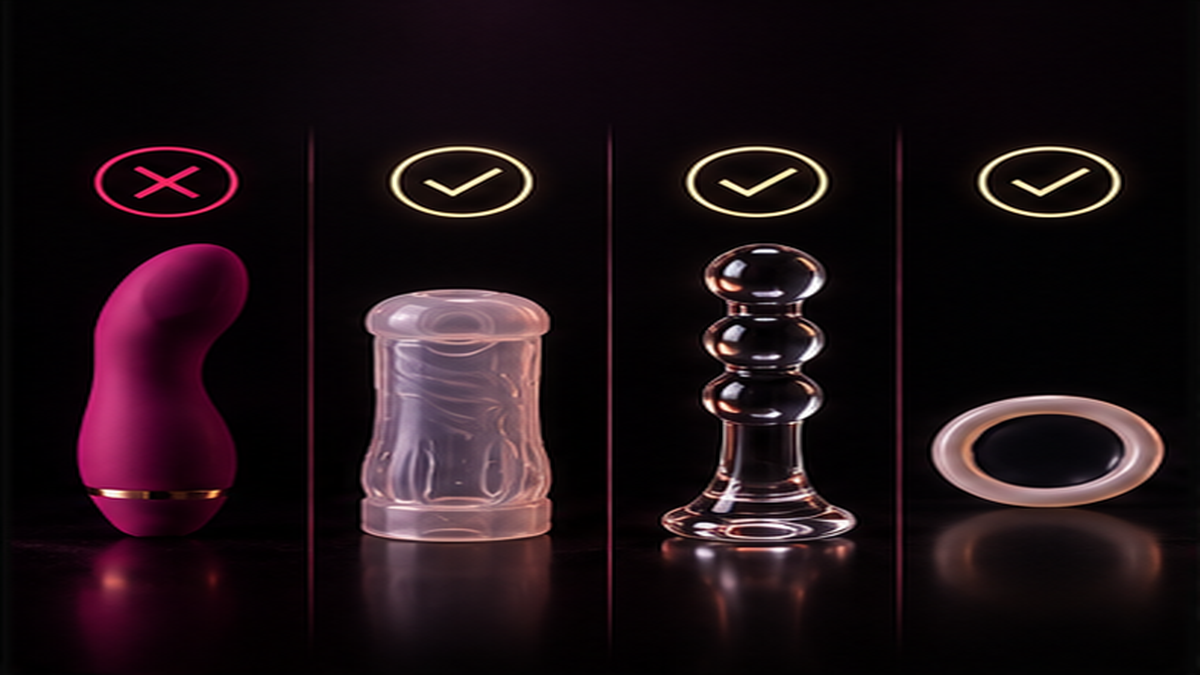
The rule that falls out of the table is one sentence: water-based is safe with everything; silicone is safe with everything except silicone; oil-based is safe with almost nothing that matters. Since most quality toys are silicone, the default is decided for most people before they've chosen a brand.
This isn't folklore — it's the same material-safety line mainstream sexual-health guidance draws. Planned Parenthood's sex toy safety guidance recommends non-porous materials and flags the lube pairings that damage them, and our body-safe materials guide covers the same rule from the toy's side: the pairing to avoid is silicone-on-silicone, and the one to skip entirely is oil on anything.
Test Two: The Water Test
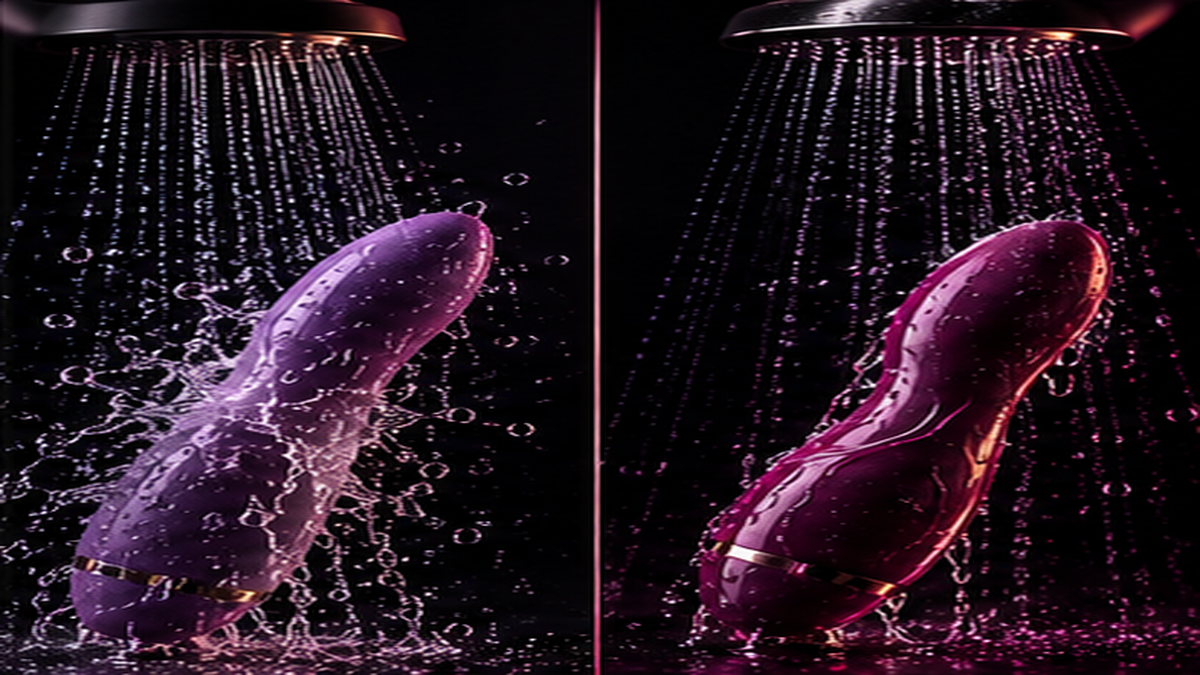
Now the shower — the one experiment where the results reverse. Water-based lube, true to its name, washes away in running water, which makes it useless for extended water play. Silicone lube doesn't absorb or rinse off, so it stays slick underwater: that's its single genuine advantage, and the reason it still earns a place in the drawer of anyone who uses glass or metal toys in the bath. Note what the water test does not change: silicone's underwater talent doesn't make it safe with silicone toys. The two results are independent, and it's exactly the kind of nuance a label never tells you.
Test Three: The Damage Report
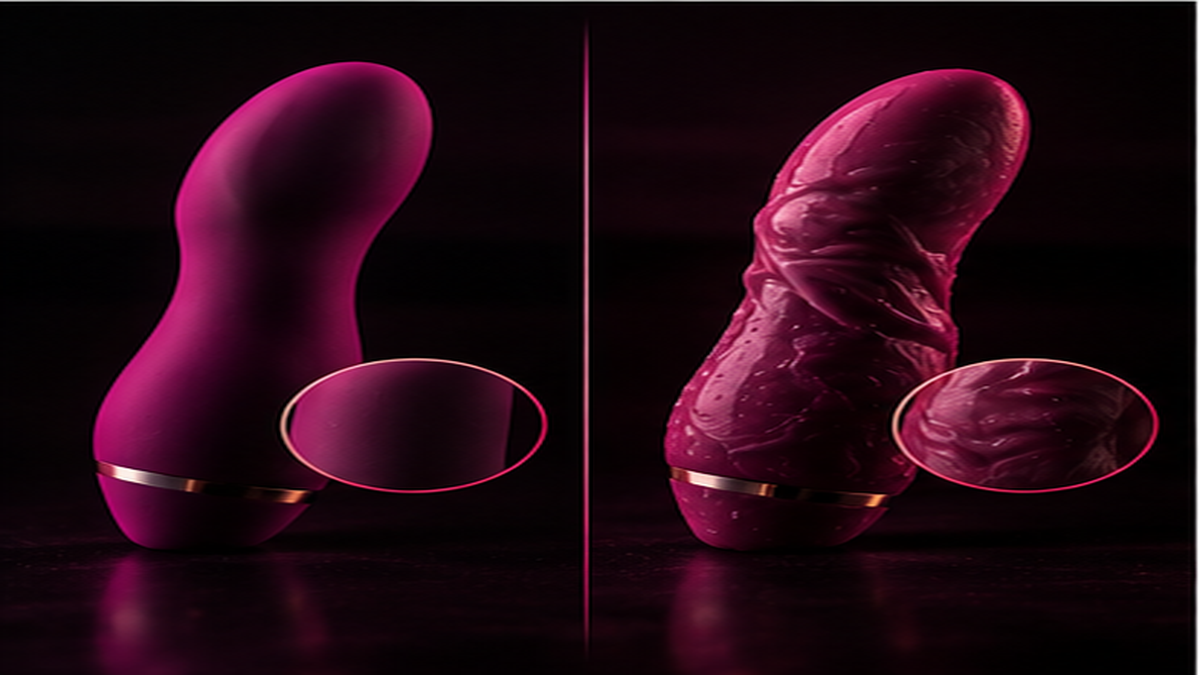
What does silicone lube actually do to a silicone toy? Over a short period the surface goes tacky, then develops a sticky sheen, then swells and pits — and no amount of washing reverses it, because the damage is chemical, not cosmetic. The mechanism is worth understanding once: the fluid silicone in the lube and the solid silicone in the toy are compatible in the wrong direction, so the liquid dissolves the solid rather than merely coating it. This is the one result in this guide worth memorising verbatim, because it ruins expensive products that every other piece of advice told you to care for. The tell-tale sequence — tacky, then sticky, then swollen — is also your warning sign if you ever suspect the wrong lube got used.
Test Four: The Skin Test
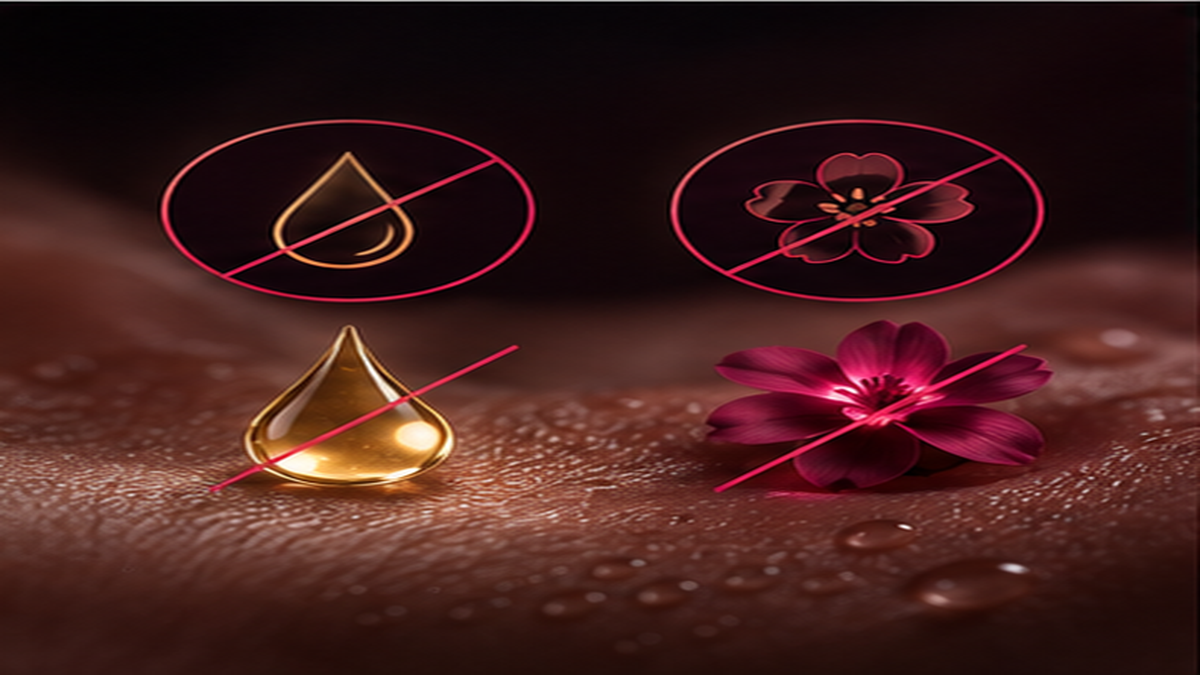
The last test isn't against a toy but against the body — and it's where water-based lube stops being "safe by default" and becomes a matter of which water-based lube. Two ingredients quietly separate the gentle formulas from the irritating ones. Glycerin is a common humectant that keeps the gel from drying out, but it raises the formula's osmolality — in plain terms, it can pull moisture out of delicate tissue and, for some people, it's linked to yeast irritation. Warming and cooling agents, plus heavy fragrances, are the other usual suspects: pleasant on the label, the first thing sensitive skin rejects. If you're prone to irritation, the rule is the same one you'd apply to skincare — fragrance-free, glycerin-free, short ingredient list. It's also the same principle public health guidance applies to sexual wellbeing generally: the WHO's sexual health framework treats comfort and the absence of irritation as part of health, not a luxury add-on. Our Personal Lubricant 60ml is formulated on exactly that principle, which is the quiet argument for a store that curates rather than a marketplace that stocks everything.
How to Read a Lube Label
Three lines on the back of the bottle tell you more than the front ever will, and they're worth reading before you pay. Ingredients, in order: water should be first on a water-based lube, and a short list beats a long one. "Hybrid": a blend of water and a little silicone — it lasts longer than plain water-based but can still cloud a silicone toy, so treat it with silicone's caution. "Glycerin-free" / "paraben-free": the two claims that actually matter for sensitive skin. The front label's adjectives — "natural", "silk", "long-lasting" — are marketing; the ingredient list is the honest part, and it's the same discipline our materials guide applies to toy materials: name the substance or close the tab.
The Third Bottle You Can Skip
For completeness, oil-based lube — coconut oil, baby oil, mineral oil — fails the compatibility run in the ways that matter most. Oil degrades latex and polyisoprene condoms during use, quietly, while you're relying on them; and it attacks TPE and TPR toys the way silicone lube attacks silicone ones, softening and swelling the surface. Its only legitimate niche is non-latex, non-toy situations, which for most people means never. If a natural-feel, skin-friendly result is the goal, a fragrance-free, glycerin-free water-based formula reaches it without the chemistry problems — and without the condom risk. The same caution applies to what the toy itself is made of: the EU chemicals agency flags phthalates as a restricted substance group, which is why the material questions in our body-safe materials guide matter as much as the lube choice does.
The Practical Side: How Much, and the Re-Wet Trick
The lab results settle which lube; this section settles how. The most common mistake with water-based lube isn't choosing the wrong brand — it's using too little and blaming the lube when it dries. Generous application is the difference between comfortable and uncomfortable, and there's no downside to extra water-based lube because it washes off. When it does start to dry mid-session, don't reach for more lube first — add a little water or saliva, which reactivates the gel in place and often works better than stacking a fresh layer. Keep the bottle or a small cup of water beside you, reapply freely, and treat "it dried out" as a usage note rather than a defect.
Shelf Life and Storage
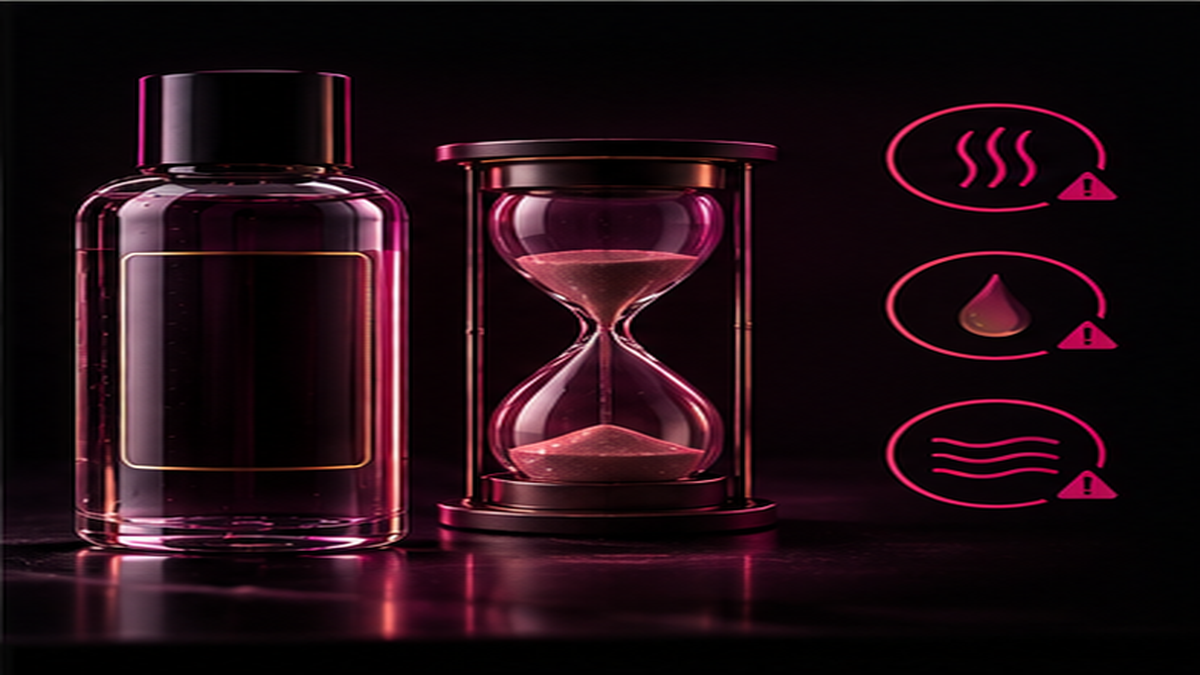
Lube does expire, and the signs are worth knowing so you don't discover them at the wrong moment. Water-based formulas typically last one to three years unopened, less once opened, because the preservatives lose ground over time. Watch for three things: a change in smell or colour, a texture that separates or turns runny, or any irritation that wasn't there before — all of them mean replace the bottle. Store it sealed, out of direct sunlight and away from heat, and treat the printed expiry date as a real deadline rather than a suggestion. It's a cheap product; the discipline is just not worth skipping.
The Shelf: Two Bottles That Pass Every Test
The experiment ends at the store shelf, which is deliberately short and water-based only for exactly this reason — and if the bottle is the first purchase alongside a toy, the beginner's guide pairs the two decisions properly. If the toy is an air-pulse model, note that lube also changes how it feels: a drop around the nozzle rim softens the intensity, which the air-pulse comparison explains. The Personal Lubricant 60ml (AED 29) is the everyday bottle — smooth, non-sticky, safe with every toy and condom, glycerin- and fragrance-conscious, and priced like a lunch. The Water Based Lubricant 6ml Single-Use (AED 5) removes every variable for a first order or a travel kit: one session, one packet, nothing to clean or carry. Two products, one material, zero compatibility questions — which is, after four tests and a label reading, the whole point.
Frequently Asked Questions
Is silicone lube safe for silicone toys?
No. Silicone lubricant bonds with and dissolves solid silicone surfaces, leaving toys permanently sticky, pitted or swollen — the damage is chemical and irreversible. Use water-based lube with any silicone toy, always.
Which lube is best for sex toys?
Water-based. It is safe with every toy material — silicone, TPE, glass, metal — and every condom type, and it rinses away with water. Its only weakness is drying faster, fixed by a splash of water or reapplication.
Can I use silicone lube with condoms?
Yes, with latex and polyisoprene condoms — silicone lube is condom-safe. The one to avoid with condoms is oil-based lube, which degrades latex. The real limit on silicone lube is silicone toys, not condoms.
Why does water-based lube dry out so fast?
Because it's water-dominant, it absorbs into skin and evaporates — that's the trade-off for being safe with everything. A splash of water or saliva reactivates it instantly, often better than adding a fresh layer.
Can I use coconut oil as lube?
Not with toys or latex condoms. Coconut oil is oil-based: it degrades latex and polyisoprene condoms and attacks TPE/TPR surfaces. A fragrance-free water-based lube is the safer natural-feel option.
Is water-based lube safe for sensitive skin?
Mostly — but choose carefully. Glycerin, warming/cooling agents and heavy fragrance are the common irritants. A fragrance-free, glycerin-free formula with a short ingredient list is the safest choice for anyone prone to irritation.
How much lube should I use?
More than you think. Generous application is the difference between comfortable and uncomfortable, and there's no downside to extra water-based lube — it washes off. Reapply freely and let comfort be the guide rather than restraint.
How long does lube last, and how do I know it's gone bad?
Water-based lube typically lasts one to three years unopened. Replace it if the smell or colour changes, the texture separates or thins, or it causes irritation that wasn't there before. Store sealed, cool and out of sunlight.
The Result Is In
Run the four tests and the verdict writes itself: water-based passes everything by default; silicone passes everything but silicone; oil-based fails the parts that matter. If you own silicone toys — and most people do — the decision was made the moment you picked up the first bottle. Reach for the water-based 60ml, read the label instead of trusting it, and let the experiment stand.
Sources
- www.plannedparenthood.org — Planned Parenthood — sex toy safety and body-safe material guidance.
- www.who.int — World Health Organization — sexual health as a component of overall health and wellbeing.
- echa.europa.eu — European Chemicals Agency — phthalates as a restricted substance group in consumer products.